Introduction
Malaysia will implement a major shift in 2027, allowing children to begin Standard 1 at age six, with parents having the flexibility to choose whether their child enters at age six or seven. This change is part of the National Education Blueprint 2026–2035, emphasising early readiness and global alignment.
The Education Ministry has also highlighted that no six‑year‑old will be rejected and that enrolment demand is expected to rise. Sekolah Sri UCSI Kuala Lumpur is strategically positioned to respond to this historic shift. This outlines how the school is addressing the policy change and the strategies we will use to grow Standard 1 (age six) enrolment in 2027 and beyond.
How Sekolah Sri UCSI Kuala Lumpur Is Addressing the Policy Change
Establishing Two Standard 1 Classes by Age Cohort
To effectively manage the dual-cohort intake, the school will introduce:
- Standard 1 S – for six-year-olds
- Standard 1 R – for seven-year-olds (both remain officially Standard 1, differentiated by pedagogy and pacing to reflect developmental differences noted nationally.)
This approach aligns with national expectations that teachers must support diverse developmental levels among six- and seven-year-olds.
Benefits of the two-class structure
- Tailored pacing for different maturity levels
- Reduced learning gaps within each class
- Stronger emotional and behavioural support for early entrants
- Greater parental confidence in age-appropriate placement
Standard 1 Readiness Screening Programme
To support parents in making early-entry decisions, during Open Days we will introduce:
- To support parents in making early-entry decisions, during Open Days we will introduce:
- Emotional and social maturity screening
- Consultation sessions with parents
This mirrors national recommendations emphasising readiness-based progression for early entrants.
Transition Activities for Six-Year-Old Entrants
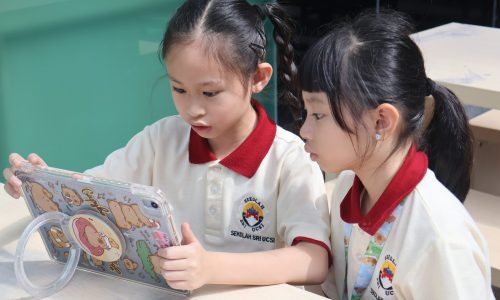
During the first term for Standard 1 S, Sri UCSI will run:
- Motor skills and fine-motor readiness sessions
- Motor skills and fine-motor readiness sessions
- School routine orientation
- Confidence-building and socialisation activities
The government stresses that early entrants often differ widely in foundational readiness; bridging programmes help minimise these gaps.
Transition Activities for Six-Year-Old Entrants
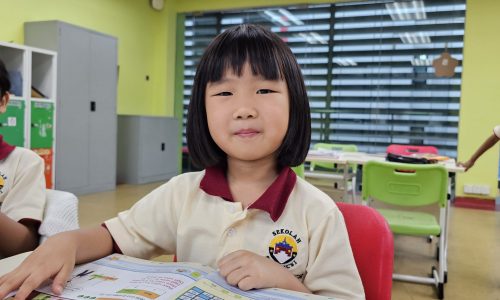
As a private school, Sekolah Sri UCSI Kuala Lumpur offers smaller class sizes, which is a significant advantage in the 2027 dual‑cohort environment. With government schools preparing for possible overcrowding due to heightened enrolment demand, especially in urban regions such as the Klang Valley, small class sizes become a decisive factor for parents seeking quality education.
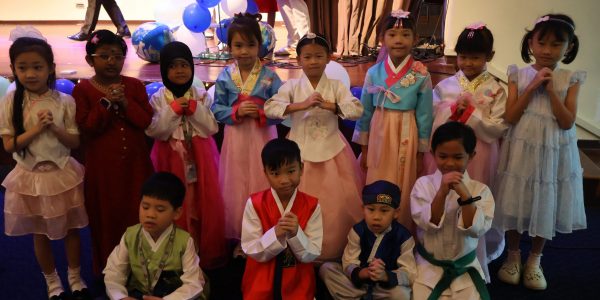
Advantages of smaller Standard 1 class sizes:
- More personalised teacher attention for both six and seven year old cohorts
- Improved behavioural and emotional support for younger learners entering early
- More flexible classroom layouts to support movement, sensory learning and foundational skill-building
- Stronger student–teacher relationships, reinforcing parental confidence
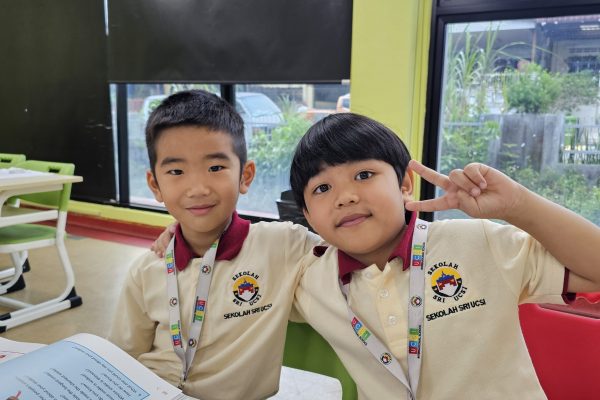
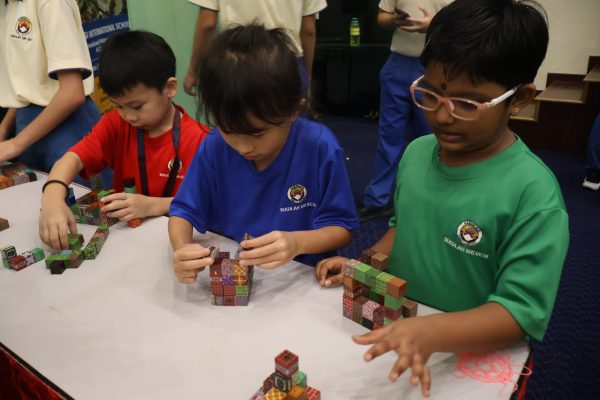
Start‑Strong: Confidence and Wellbeing Programme
Sekolah Sri UCSI Kuala Lumpur uses the Social Emotional Learning (SEL) model tailored for early-primary learners:
Daily Classroom SEL Integration (For All Students)
Led by:
- Early Years–trained teachers (Standard 1 S – six-year-olds)
- Primary-trained teachers (Standard 1 R – seven-year-olds)
Classroom SEL Practices:
-
a. Morning Check-In Routine
Students identify feelings using visual emotion charts, helping younger children articulate emotions (an area highlighted in national early-entry commentary). -
b. Daily Behaviour Modelling and Social Stories
Teachers demonstrate sharing, turn-taking and conflict resolution—critical when developmental differences exist. -
c. Calm Corners and Regulation Tools
Designated spaces in each class allow students to self-regulate, supporting younger children whose emotional thresholds may be lower. - d. Brain Breaks and Movement Cycles Short activities to reset focus, acknowledging younger learners’ shorter attention spans.
Targeted Support for Students Showing Higher SEL Needs
a. Learning Support and Counsellor Touchpoints
Students requiring assistance with separation anxiety, behavioural regulation or social difficulties receive small group sessions.
b. First 100 Days Monitoring (Especially for six year olds). Bi-Weekly SEL checkpoints focusing on:
- Behaviour
- Peer interaction
- Resilience
- Emotional expression
SEL Curriculum and Explicit Instruction
Weekly SEL Lessons (30 minutes)
Focused modules on:
- Identifying emotions
- Managing frustration
- Building confidence
- Cooperative play
- Empathy and kindness
This responds directly to parental concerns about emotional readiness at Standard 1 entry.